 Insulation Calculator
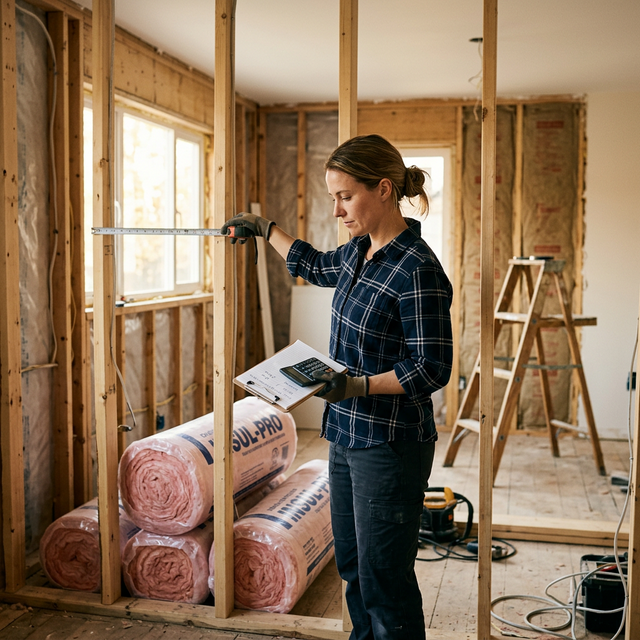
Are you planning a home improvement project and feeling a bit overwhelmed by all the numbers? Don't worry, you're definitely not alone! Figuring out exactly how much material you need can be one of the trickiest parts of any DIY job. That's exactly why using an insulation coverage calculator is an absolute game-changer for homeowners and contractors alike. In this comprehensive guide, we're going to dive deep into everything you need to know about getting your estimates right the first time. Grab a cuppa, and let's get started on making your next project a breeze!
When it comes to keeping your home cosy in the winter and cool in the summer, getting your materials sorted is step one. Nobody wants to be halfway through a job only to realise they're short on supplies, or worse, end up buying way too much and blowing the budget. With the right tools at your fingertips, you can take all the guesswork out of the equation.
Why You Need an Accurate Estimate Before Starting
Jumping into a renovation without a solid plan is like trying to bake a cake without a recipe – it might work out, but it's probably going to be a bit messy! Having a precise idea of what you need is crucial for a smooth, stress-free experience. Let's look at why getting your numbers right is so important.
First off, it's all about the budget. Home improvements can get pricey, and every little bit helps. By knowing exactly what you need, you can shop around for the best deals and avoid those pesky extra trips to the hardware store. Plus, it helps you plan your time better. If you know you have all the materials ready to go, you can block out a weekend and just get it done.
Saving Money on Your Project
Let's be honest, we all love saving a bit of cash where we can. When you use a reliable tool to figure out your needs, you're protecting your wallet from unnecessary expenses. Buying too much material means you've got cash tied up in stuff sitting in your garage gathering dust. On the flip side, buying too little means you might miss out on bulk discounts or have to pay extra for rush deliveries.
It's also worth considering the long-term savings. Proper installation means better energy efficiency, which translates to lower utility bills month after month. If you're curious about how much you could save over time, you might want to check out an insulation board calculator to get a clearer picture of your potential return on investment.
Avoiding Mid-Project Frustrations
There is nothing quite as frustrating as being in the zone, making great progress, and then suddenly running out of supplies. It completely breaks your momentum! You have to stop what you're doing, clean up, drive to the store, hope they have what you need in stock, and then try to get back into the swing of things.
By getting your estimates sorted beforehand, you can avoid this headache entirely. You'll have everything you need right there, allowing you to focus on doing a great job. And if you're working on specific areas, like the roof space, using an insulation cost calculator can be incredibly helpful for those tricky measurements.
Understanding the Basics of Your Materials
Before you start plugging numbers into any tool, it's really helpful to have a basic understanding of what you're actually working with. Different projects require different approaches, and knowing the lingo will make the whole process much smoother.
Think of it like learning the rules of a game before you play. Once you know what the terms mean and how things fit together, you'll feel much more confident making decisions. Let's break down some of the key concepts you'll encounter.
The Importance of Thermal Resistance
You've probably heard people talking about thermal resistance, but what does it actually mean for your home? Simply put, it's a measure of how well a material stops heat from moving through it. The better it is at stopping heat, the more comfortable your home will be.
This is a crucial factor when deciding what to buy. You want something that's going to do the job effectively for your specific climate. If you're unsure about what rating you need, an insulation r-value calculator can help you figure out the optimal level for your area, ensuring you stay cosy all year round.
Different Types for Different Jobs
Not all materials are created equal, and what works brilliantly in one spot might be completely wrong for another. For example, what you put in your walls is often quite different from what you'd use around your plumbing.
Understanding these differences is key to a successful project. If you're working on keeping your water lines safe from freezing, you'd definitely want to look into a spray foam insulation calculator to make sure you get the right fit. It's all about matching the right product to the right problem!
How to Measure Your Space Accurately
Okay, so you know what you need, but how much of it do you need? This is where the rubber meets the road. Getting accurate measurements is the foundation of a good estimate. Don't worry, you don't need to be a maths genius to get this right!
Grab a trusty tape measure, a notepad, and a pencil. It's always a good idea to measure twice just to be sure. A small mistake here can throw off your whole calculation, so take your time and be thorough.
Measuring Rectangular Areas
Most rooms are fairly straightforward rectangles, which makes things easy. Simply measure the length of the space and multiply it by the width. This gives you the total square footage (or square metres, depending on where you are!).
Remember to measure along the floor for the most accurate reading. If you're working on a larger project and want to get a sense of the overall financial commitment, running these numbers through an attic insulation calculator can give you a great baseline to work from.
Dealing with Tricky Spaces and Obstacles
Of course, not every space is a perfect rectangle. You'll often have to deal with windows, doors, and odd angles. The trick here is to break the space down into smaller, manageable shapes. Measure each section separately and then add them all together.
Don't forget to subtract the areas you won't be covering, like those windows and doors! If you're working on a project that involves filling in gaps or using expanding materials, a wall insulation calculator can be a lifesaver for figuring out exactly how much product you'll need to get the job done right.
Step-by-Step Guide to Using the Tool
Now that you've got your measurements, it's time to put them to work! Using an online tool is incredibly straightforward, but it helps to know exactly what information you need to have ready. Let's walk through the process together.
Think of the tool as your personal project assistant. It's there to do the heavy lifting for you, turning your raw numbers into actionable advice. Here's how to get the most out of it.
Entering Your Basic Dimensions
The first step is usually the easiest: just pop in the measurements you took earlier. Most tools will ask for the total area you're looking to cover. Make sure you double-check your numbers before hitting 'calculate' – a typo here can lead to a big surprise at the checkout!
Some tools might also ask for the specific dimensions (length and width) rather than just the total area. If you're working on a project that requires specific depths, like figuring out how thick your coverage needs to be, an pipe insulation calculator can provide some really useful insights alongside your basic dimensions.
Factoring in the Extras
Once you've got the basics down, you might need to add a few extra details depending on the specific job. This could include things like the spacing between your wall studs or the specific type of material you're planning to use.
It's also highly recommended to add a little extra to your final number – usually around 10% – to account for cuts, mistakes, and waste. It's always better to have a tiny bit left over than to run short! If you're looking at different material options, say, comparing traditional rolls to loose-fill, a blown insulation calculator can help you weigh up the pros and cons for your specific situation.
Common Mistakes to Avoid
Even with the best tools and intentions, things can sometimes go a bit wonky. But don't stress! By knowing what the common pitfalls are, you can easily sidestep them and keep your project on track.
Learning from others' mistakes is much less painful than making them yourself. Let's look at a few things you should definitely try to avoid when planning your project.
Forgetting About Ventilation
This is a big one! When you're sealing up your home to keep the heat in, it's easy to forget that your house still needs to breathe. Proper airflow is essential for preventing moisture build-up, which can lead to all sorts of nasty problems down the line.
Always make sure you're not blocking any important vents or airflow paths. If you're working around your heating and cooling systems, it's crucial to get it right. A batt insulation calculator can be a handy resource to ensure you're keeping things efficient without causing any unintended issues.
Ignoring Local Building Codes
Building codes exist for a reason – to keep you and your home safe! Before you start any major project, it's really important to check what the requirements are in your specific area.
These codes can dictate everything from the minimum thermal ratings required to the types of materials you're allowed to use. If you're based Down Under, for example, using an insulation savings calculator ensures you're getting advice that's tailored to local standards and regulations.
Wrapping Up Your Project Planning
Congratulations! You've made it through the planning phase. By taking the time to measure accurately, understand your materials, and use the right tools, you've set yourself up for a massively successful project.
Remember, preparation is the key to a stress-free DIY experience. With your estimates in hand, you can head to the store with confidence, knowing exactly what you need to get the job done right.
Next Steps for Success
So, what's next? Now that you have your numbers, it's time to start shopping around. Compare prices, check out different brands, and don't be afraid to ask questions if you're unsure about anything.
Once you've got your supplies, take a moment to review your plan before you start tearing things apart. Make sure you have all the necessary safety gear – gloves, masks, and goggles are a must!
Enjoying the Comfort of Your Hard Work
The best part of any home improvement project is getting to enjoy the results. Whether you're noticing a drop in your energy bills or just feeling a bit cosier on a chilly evening, all that hard work will definitely pay off.
So roll up your sleeves, trust your estimates, and get ready to transform your space. You've got this! And remember, whenever you're planning your next big upgrade, your trusty insulation coverage calculator will be right here waiting to help you out again. Happy renovating!